Medik Blog
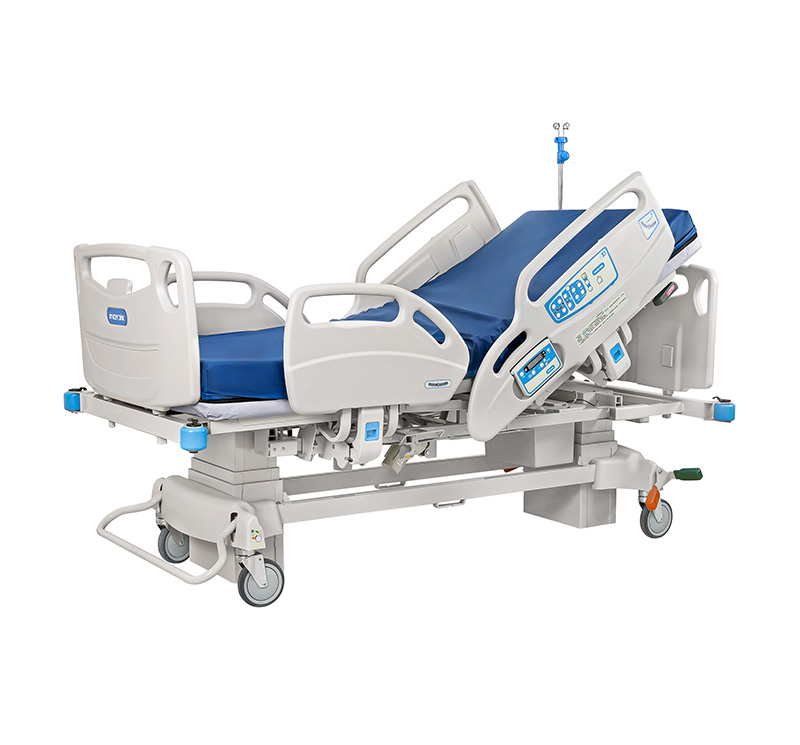
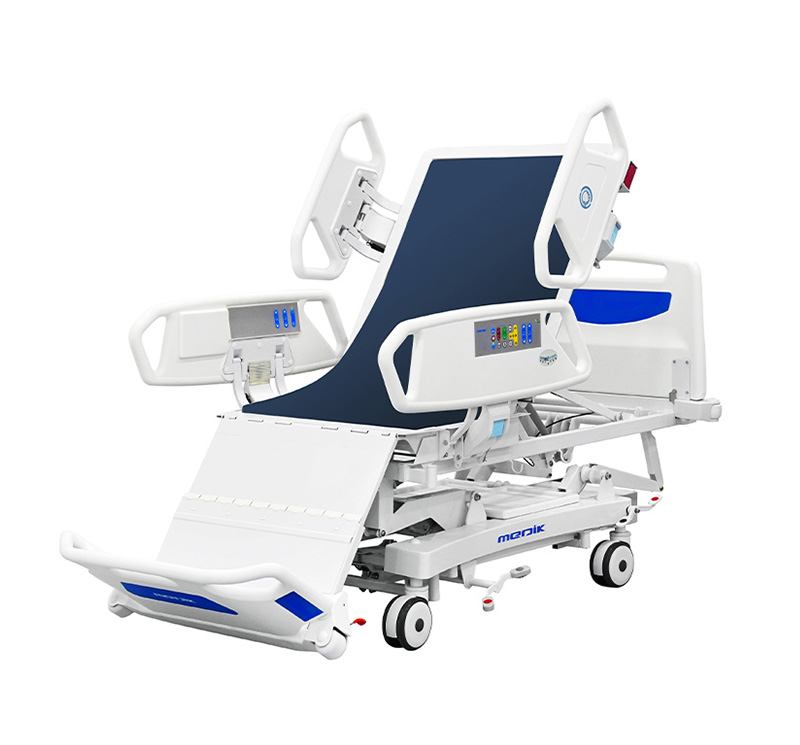
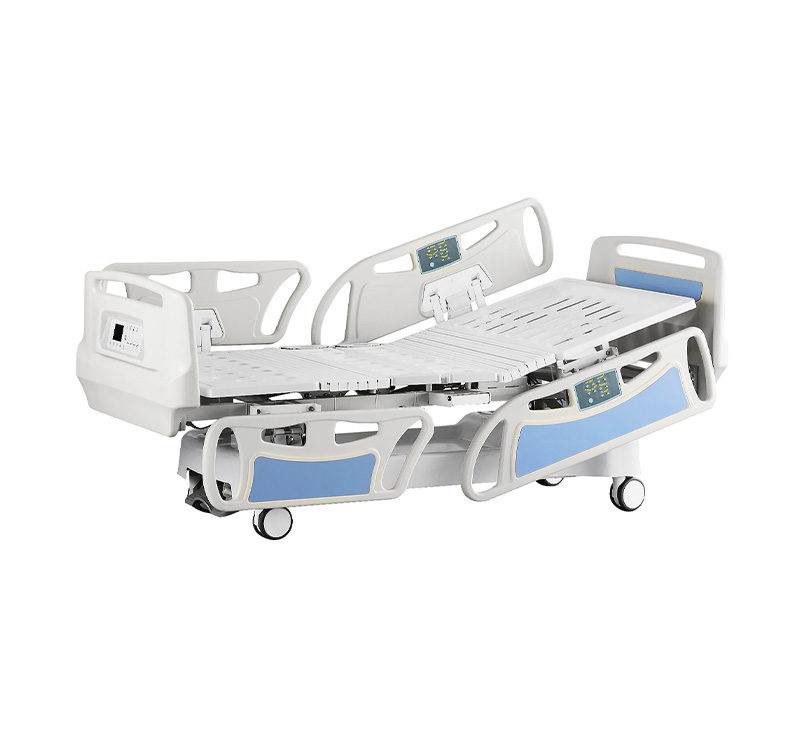
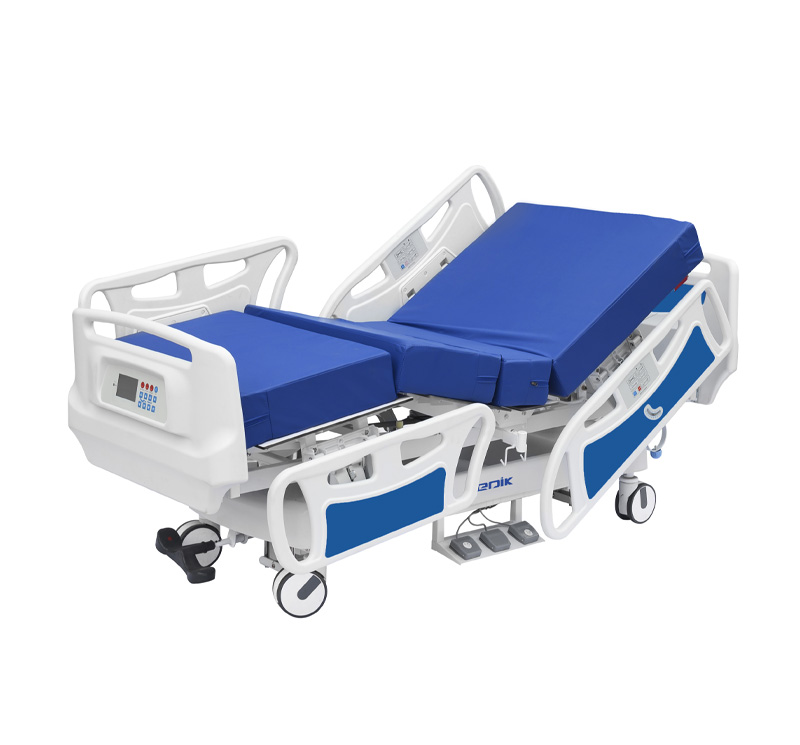
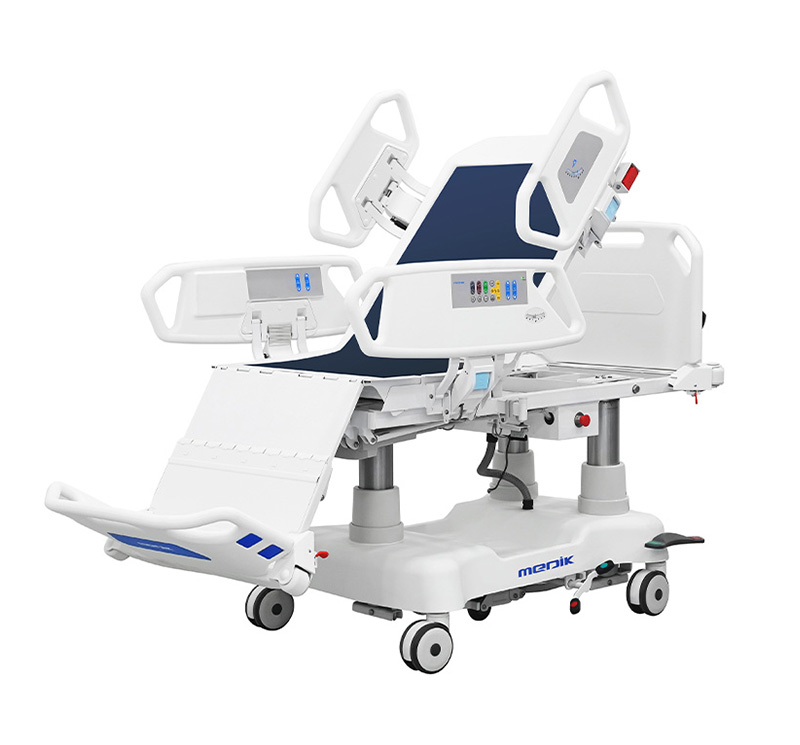
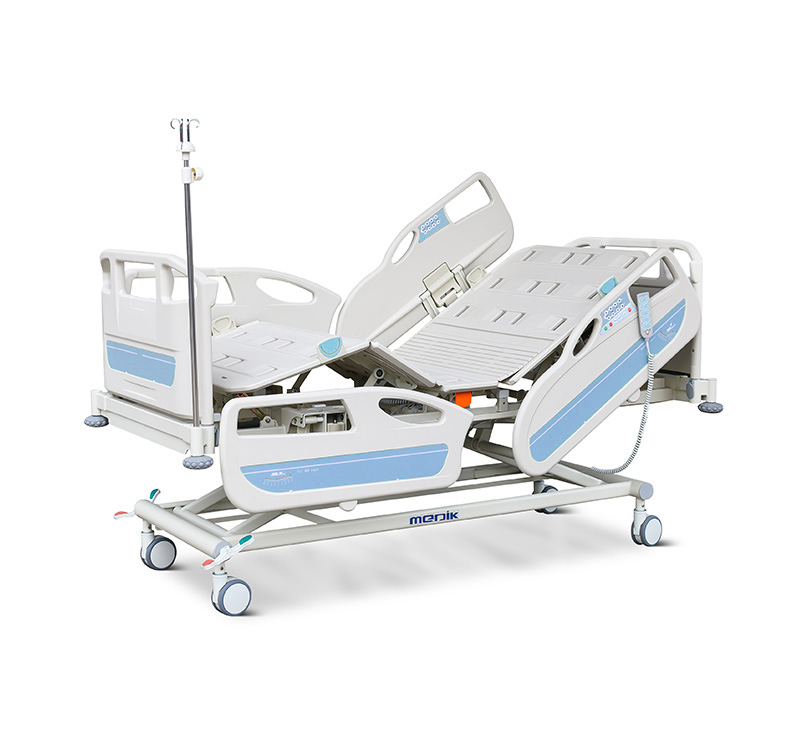
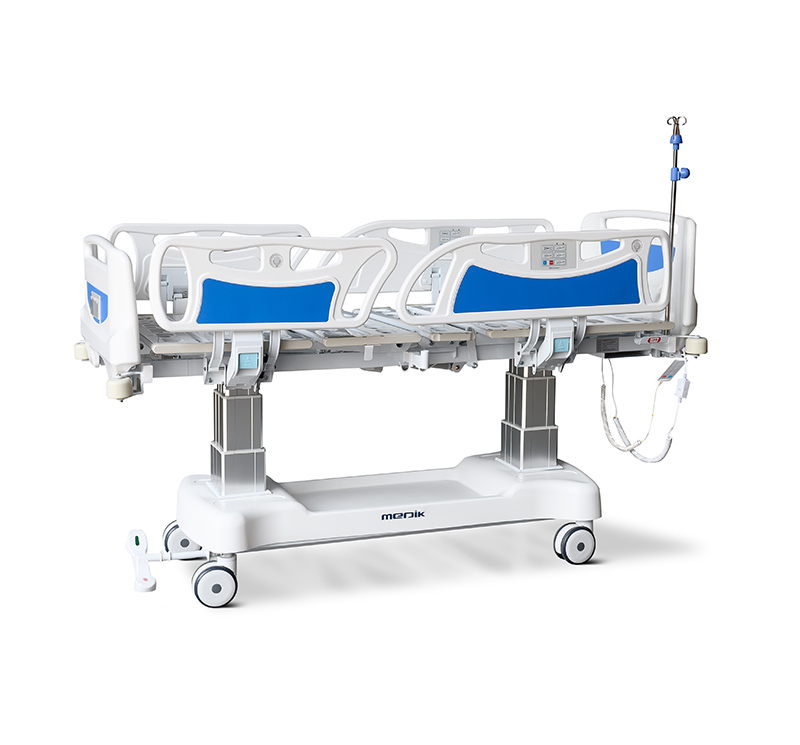
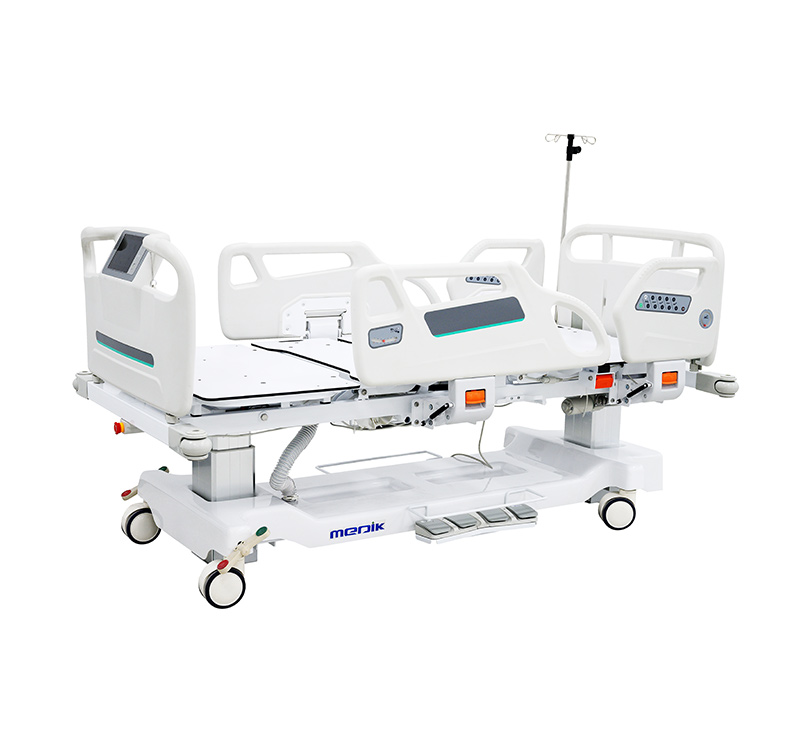
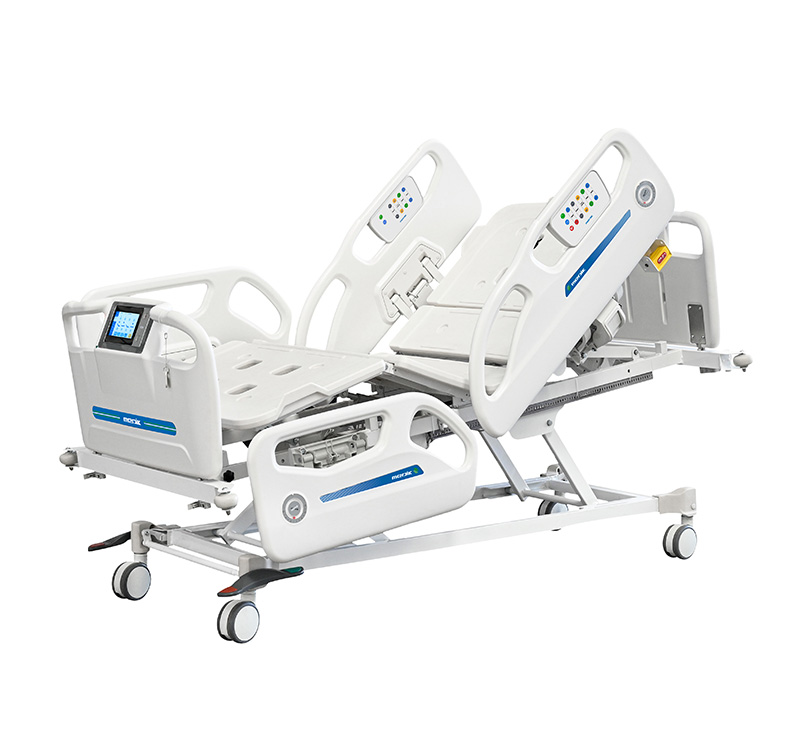
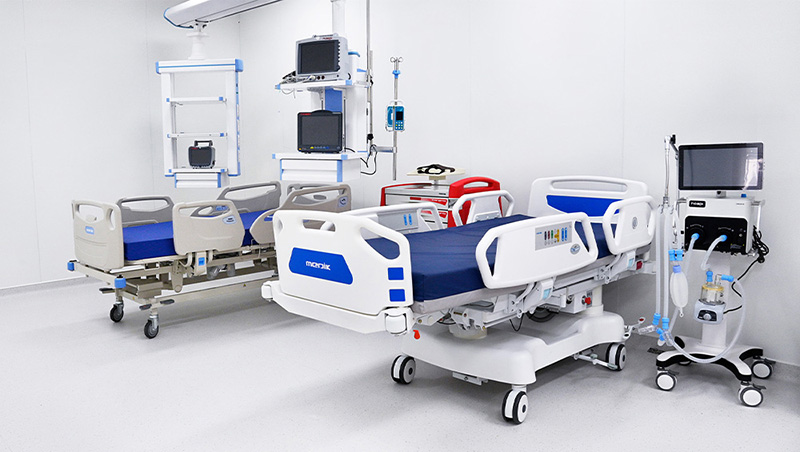
Choosing the right ICU bed is an important decision when setting up or upgrading an intensive care unit. Unlike standard hospital beds, ICU beds need to support frequent patient repositioning, emergency procedures, intensive monitoring, and the daily workflow of medical staff.
With many ICU beds available with different functions, configurations, and price levels, it can be difficult to know which features are actually important.
This guide explains the key factors hospitals should consider when choosing an ICU bed, from bed functions and patient safety to load capacity, mobility, maintenance, and long-term use.
1. Consider the Type of Patients the Bed Will Serve
The first step is to consider the patients who will use the ICU bed.
ICU patients may require frequent repositioning, respiratory support, close monitoring, or emergency intervention. Some may also remain in bed for extended periods.
Therefore, an ICU bed should provide appropriate positioning options and allow medical staff to adjust the patient's position efficiently.
For general adult ICUs, important functions may include:
• Backrest adjustment
• Knee or leg section adjustment
• Height adjustment
• Trendelenburg position
• Reverse Trendelenburg position
• Emergency CPR positioning
For specialized ICUs, such as pediatric or bariatric units, hospitals may need beds with different dimensions, load capacities, or additional features.
2. Look at the Essential Bed Functions
The number of functions is often one of the first specifications buyers compare. However, more functions do not always mean a better ICU bed.
The more important question is whether the functions match the clinical requirements of the unit.
Backrest Adjustment
An adjustable backrest allows healthcare professionals to position patients more comfortably and can support different clinical procedures.
Knee or Leg Adjustment
Independent adjustment of the knee or leg section can provide additional patient positioning options and improve comfort.
Height Adjustment
An adjustable bed height allows staff to work at a more suitable height and can make patient care and transfers easier.
Trendelenburg and Reverse Trendelenburg
These positions allow the entire mattress platform to be tilted according to clinical requirements.
When comparing beds, hospitals should check not only whether these functions are available but also how they are operated and whether the adjustment range is suitable for the intended application.
CPR Function
A CPR function allows the bed to be quickly returned to a suitable position during an emergency.
Hospitals should consider whether the bed provides a manual CPR release, electric CPR control, or both.
3. Consider Patient Safety Features
Patient safety should be one of the main considerations when selecting an ICU bed.
Side Rails
Side rails can help reduce the risk of patients accidentally rolling or falling from the bed.
When evaluating side rails, check:
• Locking mechanism
• Ease of operation
• Height and coverage
Durability
Whether the rails interfere with patient care
The design should allow healthcare professionals to access the patient quickly when necessary.
Central Locking System
A central braking system allows staff to lock the bed's casters from an accessible control point.
This can make bed positioning more convenient and help prevent unwanted movement during patient care or transfers.
Bed Stability
A stable frame and reliable caster system are also important, particularly when the bed is being adjusted, moved, or used during emergency procedures.
4. Check the Safe Working Load
Hospitals should not select an ICU bed based only on its appearance or number of functions.
The safe working load is an important specification to check.
The required load capacity should take into account:
• Patient weight
• Mattress weight
• Medical equipment placed on or attached to the bed
• Accessories
• Other loads that may be applied during patient care
Hospitals should also confirm how the manufacturer defines the safe working load and make sure the specification is appropriate for the intended patient population.
For specialized applications, such as bariatric care, a higher-capacity bed may be required.
5. Consider How the Bed Is Operated
The control system can have a significant effect on everyday ICU workflow.
Electric ICU beds commonly use a hand controller, side-rail controls, or both. A good control system should allow commonly used positions to be adjusted easily while reducing unnecessary manual effort for healthcare staff.
When evaluating an electric ICU bed, consider:
• Location of controls
• Ease of operation
• Available bed positions
• Emergency controls
• Motor performance
• Cable management
• Battery backup, if required
It is also useful to consider whether the controls are intuitive enough for staff to operate quickly.
6. Think About Mobility and Transfers
ICU beds may need to be moved between patient rooms, treatment areas, diagnostic departments, or other parts of the hospital.
For this reason, mobility should not be overlooked.
Important factors include:
• Caster size
• Caster quality
• Braking system
• Directional locking
• Bed steering
• Overall bed weight
• Available transport handles or push bars
A well-designed caster and braking system can make a significant difference during routine transfers.
7. Consider Mattress Compatibility
The mattress is another important part of the ICU bed system.
Depending on the patient population and clinical requirements, hospitals may use different types of mattresses, including pressure-redistribution or alternating-pressure mattresses.
Before purchasing an ICU bed, check:
• Mattress platform dimensions
• Recommended mattress thickness
• Mattress compatibility
• Maximum patient weight
Whether the mattress remains suitable when the bed is articulated
The mattress and bed should work together rather than being considered as completely separate products.
9. Check the Bed's Emergency Features
ICU environments can require rapid responses.
A hospital should therefore understand how quickly the bed can be configured for emergency procedures.
Useful features may include:
• Quick CPR release
• Emergency positioning
• Easy-to-access controls
• Reliable braking
• Backup battery
• Oxygen cylinder holder
• IV pole
• Other accessories required by the ICU
The exact configuration will depend on the hospital's clinical workflow and equipment requirements.
8. Consider Accessories and Configuration
Different hospitals may require different accessories.
Common ICU bed accessories include:
• IV pole
• Oxygen cylinder holder
• Drainage bag hooks
• Overbed table
• Bedside controls
• Patient lifting pole
• Monitor or equipment supports
Rather than choosing every available accessory, hospitals should identify which ones are actually required for their ICU workflow.
This can help control the overall purchase cost while keeping the bed practical for daily use.
10. Think About Cleaning and Maintenance
An ICU bed is used frequently and needs regular cleaning and maintenance.
A practical ICU bed should have a design that allows staff to clean commonly touched surfaces and inspect important mechanical and electrical components.
Hospitals should ask manufacturers about:
• Cleaning and disinfection procedures
• Recommended maintenance intervals
• Replacement parts
• Motor and actuator service
• Caster maintenance
• Side rail inspection
• Electrical safety checks
• Availability of technical support
Long-term maintenance should be considered as part of the purchasing decision rather than after the equipment has already been installed.
11. Consider the Hospital's Budget and Total Cost of Ownership
Price is an important factor, but the lowest purchase price is not necessarily the lowest overall cost.
Hospitals should consider the total cost of ownership, including:
• Initial purchase price
• Accessories
• Installation
• Maintenance
• Replacement parts
• Expected service life
• Staff training
• Warranty and after-sales support
A bed with functions that are not needed may unnecessarily increase the purchase cost, while a bed with insufficient functions may create problems later.
The goal should be to select a configuration that provides the required clinical functions without adding unnecessary complexity.
Final Thoughts
Choosing an ICU bed is not simply a matter of selecting the model with the highest number of functions. The right choice depends on the hospital's patient population, clinical requirements, staff workflow, safety considerations, available space, and long-term maintenance needs.
Before purchasing, hospitals should identify their essential requirements and compare specifications across different manufacturers. Paying attention to both clinical functions and practical factors—such as safe working load, mobility, mattress compatibility, maintenance, and after-sales support—can help ensure that the selected ICU bed is suitable for everyday hospital use.
For hospitals and medical equipment distributors, a detailed specification sheet, product demonstration, and clear communication with the manufacturer can also make the evaluation and purchasing process easier.
References
1. U.S. Food and Drug Administration (FDA) — Hospital Bed System Dimensional and Assessment Guidance to Reduce Entrapment
2. FDA — Medical Device Reporting / Hospital Bed Safety Information
3. IEC 60601-2-52 — Particular requirements for the basic safety and essential performance of medical beds
4. Relevant manufacturer documentation and hospital bed safety guidance
 English
 Française
 Español
 中文
中文