Medik Blog
Stretcher vs Gurney: What’s the Difference? (Complete Guide)
When it comes to patient transport, the terms stretcher and gurney are often used interchangeably. However, they are not the same.
Understanding the difference between a stretcher and a gurney is essential for hospitals, emergency responders, and medical equipment buyers to choose the right solution.
What Is a Stretcher?
A stretcher is a lightweight medical device designed to carry patients who cannot walk or sit upright.
Key Features:
• Portable and easy to carry
• Often foldable
• Requires 2 or more operators
• Suitable for rough or uneven terrain
Common Uses:
• Emergency rescue
• Disaster response
• Military or outdoor evacuation
In short: Stretchers are built for mobility and rapid response.
What Is a Gurney?
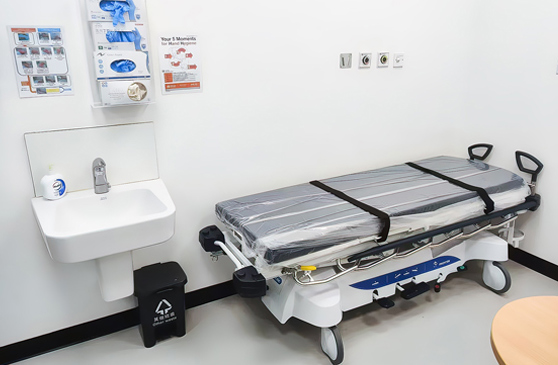
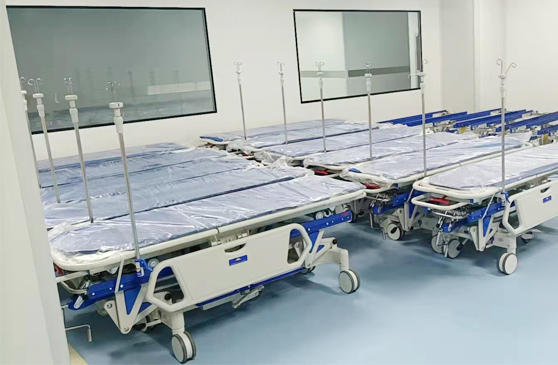
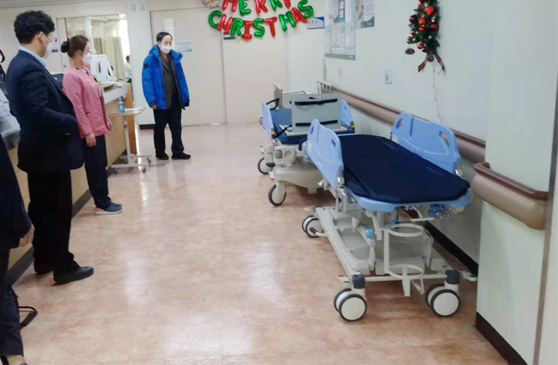
A gurney is a wheeled stretcher commonly used in hospitals and ambulances for patient transport.
Key Features:
• Equipped with wheels for easy movement
• Adjustable height (manual, hydraulic, or electric)
• Can be operated by one person
• Often includes side rails, IV poles, and mattresses
Common Uses:
• Hospital patient transfer
• Emergency rooms (ER)
• Ambulance transport
In short, Gurneys are designed for comfort, stability, and efficiency in medical facilities.
Stretcher vs Gurney: Key Differences
| Feature | Stretcher | Gurney |
|---|---|---|
| Mobility | Carried manually | Wheeled |
| Terrain | Rough / outdoor | Smooth / indoor |
| Operators | 2+ people | Usually 1 person |
| Comfort | Basic | High |
| Adjustability | Limited | Advanced |
| Cost | Lower | Higher |
When Should You Use a Stretcher or a Gurney?
Choosing between a stretcher and a gurney depends on the situation.
✅ Use a Stretcher when:
• The terrain is uneven or inaccessible
• Quick emergency response is required
• Lightweight portability is essential
✅ Use a Gurney when:
• Transporting patients inside hospitals
• Patient comfort and stability are priorities
• Long-distance or frequent transfers are needed
Modern Trend: The Line Is Blurring
Today, the difference between stretchers and gurneys is becoming less clear.
Modern medical stretchers often include:
• Hydraulic height adjustment
• Central braking systems
• Fifth-wheel steering
• X-ray compatible platforms
This means many advanced stretchers now function like gurneys, combining mobility with comfort and efficiency.
How to Choose the Right Option (Buyer's Guide)
When selecting equipment, consider the following:
1. Patient Condition
Critical or immobile → Gurney
Emergency evacuation → Stretcher
2. Environment
Outdoor / disaster → Stretcher
Hospital/clinic → Gurney
3. Staffing
Limited staff → Gurney (single operator)
Team available → Stretcher
Conclusion
While stretchers and gurneys serve similar purposes, their design and use cases are different:
• Stretchers prioritize portability and emergency use
• Gurney's focus on comfort, stability, and hospital efficiency
Reference
1. Insights from NEMT industry platforms
2. Medical equipment manufacturer blogs
3. Hospital transport and emergency care resources
 English
 Française
 Español
 中文
中文