Medik Blog
ICU Bed Maintenance Checklist: A Practical Guide for Hospitals
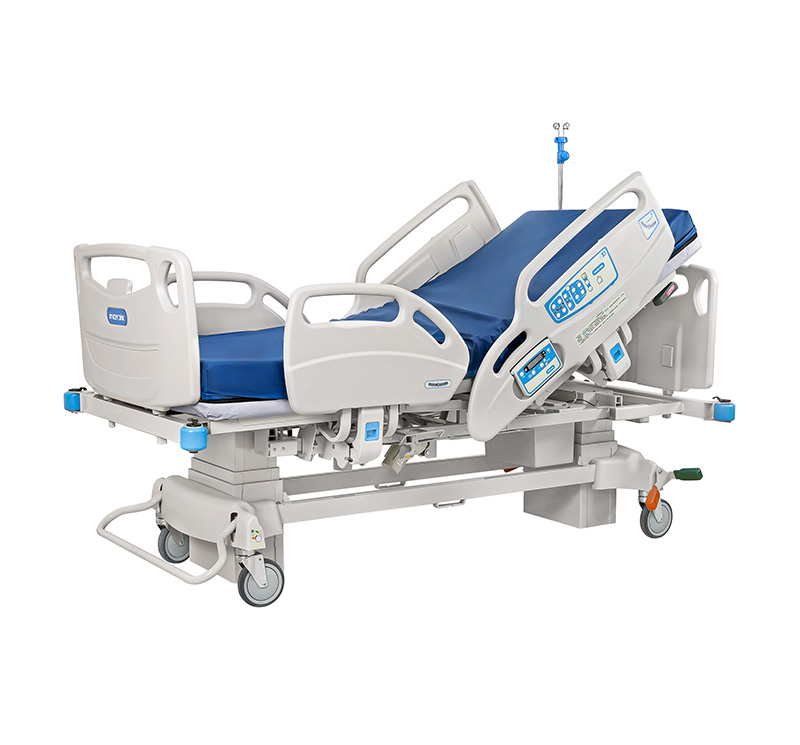
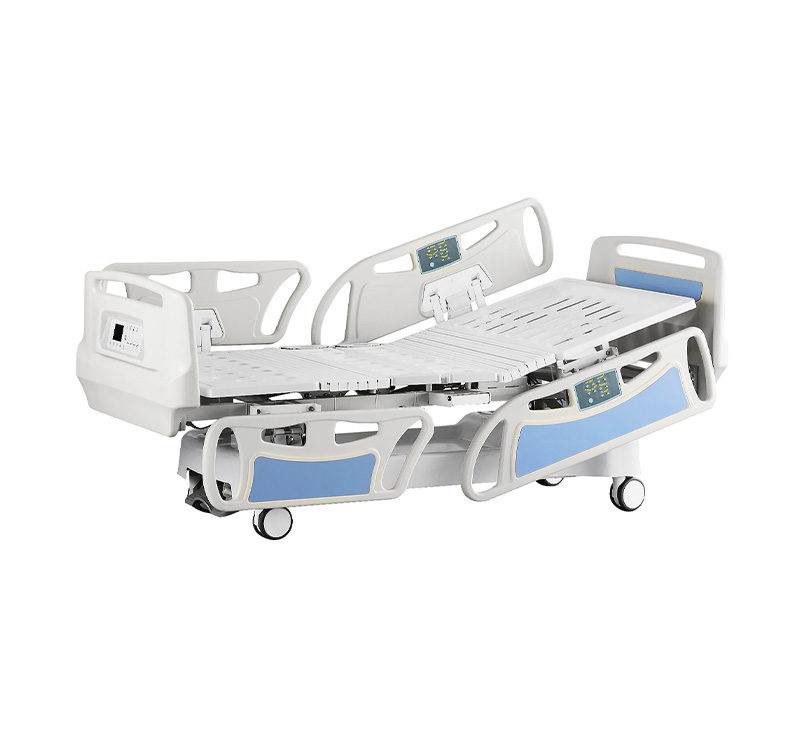
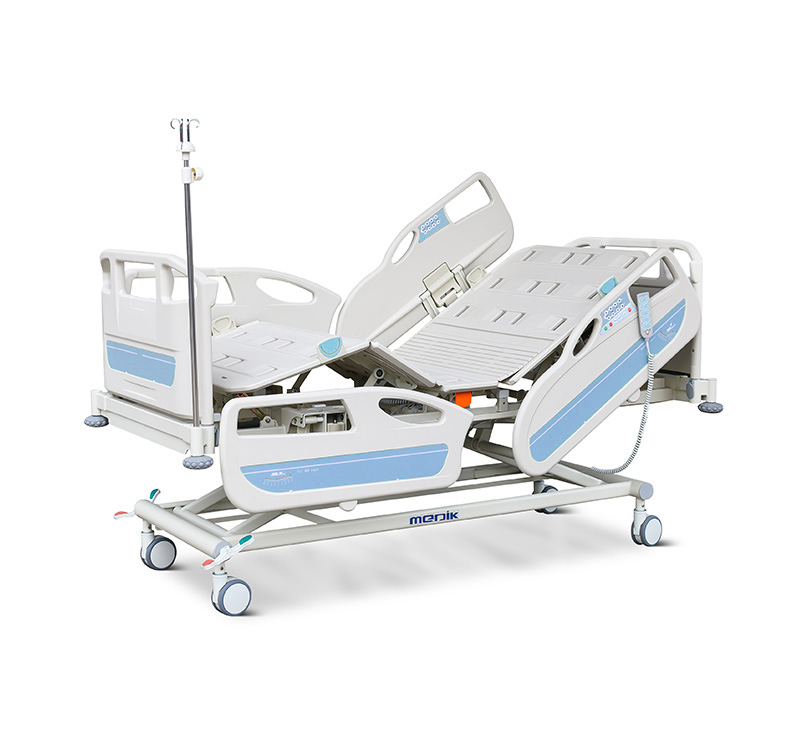
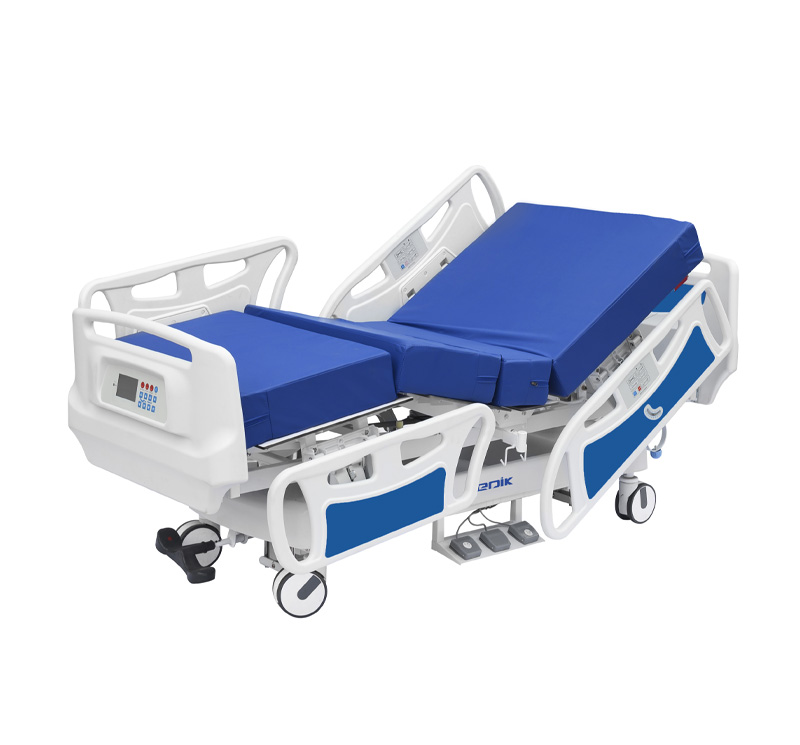
ICU beds are used extensively in intensive care units and must remain reliable, safe, and easy to operate. Regular maintenance helps identify potential problems early, reduce unexpected equipment downtime, and support a safe care environment for patients and healthcare professionals.
However, ICU bed maintenance involves more than cleaning the mattress platform and checking whether the electric controls work. Casters, side rails, motors, electrical components, brakes, and emergency functions also need attention.
This guide provides a practical ICU bed maintenance checklist for hospitals, covering routine visual inspections, functional checks, cleaning, preventive maintenance, and common warning signs.
1. Why Is Regular ICU Bed Maintenance Important?
An ICU bed combines mechanical, electrical, and patient-support components. If one of these components does not work correctly, it may affect patient positioning, transfers, or daily clinical workflow.
A structured maintenance program can help hospitals:
• Identify wear and damage before they become more serious.
• Check that bed positioning functions operate correctly.
• Maintain reliable braking and mobility.
• Detect damaged electrical cables or controls.
• Support appropriate cleaning and infection prevention.
• Reduce avoidable downtime and repair costs.
• Maintain service records for equipment management.
Maintenance should follow the bed manufacturer's instructions and the hospital's biomedical equipment management procedures. The appropriate inspection frequency depends on the model, usage, condition, and applicable requirements.
2. Daily ICU Bed Inspection Checklist
Routine visual checks can help staff identify obvious problems before using the bed. These checks should be performed according to hospital procedures and the manufacturer's instructions.
Bed Frame and Mattress Platform
Inspect the frame and mattress platform for visible damage.
Check for:
• Loose or missing fasteners.
• Cracks, deformation, or damaged structural components.
• Unusual movement or instability.
• Damaged mattress platform sections.
• Sharp edges or protruding components.
Do not use a bed that appears structurally damaged until it has been assessed by qualified personnel.
Side Rails
Side rails are important patient-safety components and should be checked regularly.
Inspect the rails for:
• Cracks or other visible damage.
• Secure attachment to the bed.
• Correct locking and release operation.
• Smooth movement where applicable.
• Loose handles or damaged control panels.
If a side rail fails to lock securely or behaves unexpectedly, remove the bed from service when necessary and report the issue for assessment.
Casters and Brakes
Reliable casters and brakes help prevent unwanted movement and support safe patient transfers.
Check whether:
• All casters are securely attached.
• Wheels rotate without unusual resistance.
• No visible debris obstructs the wheels.
• Brakes engage and release correctly.
• The bed remains stable when the brakes are applied.
Follow the manufacturer's procedure for checking the central locking system or individual brakes, depending on the bed design.
Hand Controller and Bed Controls
Check the hand controller and other user controls for visible damage.
Look for:
• Cracked housings.
• Damaged buttons.
• Frayed or exposed cables.
• Loose connectors.
• Controls that respond inconsistently.
If a control does not work as expected, do not continue using the affected function until the problem has been assessed.
3. Electric ICU Bed Maintenance Checklist
Electric ICU beds use motors, actuators, control systems, and electrical connections to adjust the bed position. These components require attention as part of the preventive maintenance program.
Motors and Actuators
During an authorized functional check, confirm that the bed's powered movements operate according to the manufacturer's instructions.
Check for:
• Unusual grinding or knocking sounds.
• Jerky or uneven movement.
• Delayed response to controls.
• Failure to reach the expected position.
• Visible damage to actuator housings or mounting points.
Do not open motor housings or attempt internal electrical repairs unless authorized and qualified to do so.
Electrical Cables and Connections
Inspect accessible cables and connectors for:
• Cuts, cracks, or exposed wiring.
• Bent or damaged plugs.
• Loose connections.
• Signs of overheating.
• Cable pinching during bed movement.
Keep cables routed as instructed by the manufacturer to reduce the risk of damage from moving bed sections or casters.
Power Supply and Battery Backup
For models equipped with a backup battery, check the battery according to the manufacturer's maintenance schedule.
Confirm that:
• The power cord is in good condition.
• The power connection is secure.
• Battery status indicators operate as expected.
• The backup battery passes the prescribed functional checks.
Battery testing and replacement should follow the manufacturer's procedure. Do not assume that a battery is functional simply because the bed operates when connected to mains power.
4. Emergency Functions and Positioning Checks
Emergency functions deserve particular attention because a malfunction may not be discovered during ordinary bed use.
Depending on the model, the inspection program may include:
• CPR release mechanism.
• Backrest adjustment.
• Knee or leg section adjustment.
• Height adjustment.
• Trendelenburg positioning.
• Reverse Trendelenburg positioning.
• Emergency controls or other specified functions.
Verify each applicable function using the manufacturer's prescribed test procedure. Check for smooth movement, abnormal noise, unexpected stopping, or error indicators.
Important: Do not test emergency functions on a patient or perform repeated CPR-release tests without following the manufacturer's instructions. If an emergency function fails, report the fault promptly and arrange inspection by qualified technical personnel.
5. Cleaning and Disinfection
ICU beds are frequently touched by patients and healthcare workers. Appropriate cleaning and disinfection help support infection prevention.
Hospitals should follow their infection prevention procedures and the cleaning instructions supplied by the bed manufacturer.
Key points include:
• Use only compatible cleaning and disinfecting products.
• Follow the specified dilution and contact time.
• Clean frequently touched surfaces, including side rails and controls.
• Pay attention to joints, handles, and other areas where contamination may accumulate.
• Prevent liquid from entering electrical components or connectors.
• Allow surfaces to dry as directed before returning the bed to use.
• Inspect surfaces for damage caused by incompatible chemicals.
Avoid abrasive tools and unapproved chemicals that may damage coatings, plastic components, or labels.
Mattresses should be cleaned according to their own manufacturer's instructions. Inspect the cover for tears, punctures, or damaged seams that could compromise its protective barrier.
6. Weekly and Periodic Maintenance Checklist
Not every maintenance task needs to be performed daily. Hospitals should establish a schedule based on the manufacturer's recommendations, bed usage, and the hospital's maintenance program.
The following table provides a starting point, not a universal mandatory schedule.
| Inspection Item | What to Check |
|---|---|
| Bed frame | Structural condition, fasteners, and visible damage |
| Side rails | Locking mechanism, attachment, and movement |
| Casters and brakes | Wheel condition, movement, and braking performance |
| Motors and actuators | Operation, noise, and visible damage |
| Electrical system | Cables, connectors, and control response |
| Battery backup | Status, charging, and prescribed functional tests |
| CPR mechanism | Correct operation according to manufacturer instructions |
| Mattress platform | Movement, joints, and mechanical condition |
| Accessories | Secure attachment and condition of IV poles and holders |
| Labels and instructions | Legibility of safety labels and operating information |
These checks should be assigned to appropriately trained staff. Internal electrical testing, mechanical adjustments, and repairs should be carried out only by personnel with the required qualifications and authorization.
7. Common ICU Bed Problems and What to Do
Recognizing warning signs early can help prevent a minor issue from becoming a more serious equipment problem.
| Problem | Possible Cause | Recommended Action |
|---|---|---|
| Bed height does not adjust | Control, power supply, motor, or actuator issue | Check the user-accessible power connection and report persistent faults |
| Backrest moves unevenly | Mechanical obstruction or actuator problem | Stop using the affected function and arrange inspection |
| Bed moves when brakes are applied | Brake or caster malfunction | Secure the bed safely and remove it from service if braking is unreliable |
| Side rail does not lock | Damaged or worn locking mechanism | Do not rely on the affected rail; report the fault immediately |
| Hand controller does not respond | Controller, cable, or electrical fault | Check only the items permitted by the user manual and report the issue |
| Unusual noise during movement | Obstruction, wear, or mechanical damage | Stop the movement and request assessment |
| Battery backup fails | Battery deterioration or charging problem | Arrange testing according to the manufacturer's procedure |
These are possible causes, not definitive diagnoses. Only qualified personnel should determine the actual cause and carry out repairs.
If a fault affects safe operation, take the bed out of service according to hospital procedures, identify it clearly, and arrange repair before returning it to clinical use.
8. Who Should Be Responsible for ICU Bed Maintenance?
A clear division of responsibilities helps ensure that problems are identified and handled appropriately.
Nursing and clinical staff
• Perform prescribed pre-use visual checks.
• Report unusual movement, damage, or control problems.
• Follow approved cleaning procedures.
• Avoid using beds with unresolved safety-related faults.
Biomedical or clinical engineering staff
• Carry out scheduled technical inspections.
• Perform authorized electrical and functional testing.
• Document faults, repairs, and maintenance results.
• Coordinate servicing and replacement parts.
External service providers or authorized technicians
• Perform repairs beyond the hospital team's authorization or capabilities.
• Replace components when required.
• Provide technical support in accordance with the manufacturer's service procedures.
The exact division of responsibilities depends on the hospital's policies and the equipment manufacturer's requirements.
9. Keep an ICU Bed Maintenance Record
Maintenance records help hospitals track equipment condition, identify recurring problems, and plan preventive maintenance.
A useful record should include:
• Bed identification number or asset tag.
• Manufacturer and model.
• Inspection date.
• Name or role of the person performing the check.
• Inspection results.
• Identified faults.
• Repairs and replacement parts.
• Follow-up actions.
• Date the bed was cleared for use, where applicable.
Records should be retained according to the hospital's equipment management policy and applicable requirements.
10. ICU Bed Maintenance Checklist
Use this condensed checklist as a starting point for your hospital's maintenance procedure. Adapt it to the specific bed model and the manufacturer's instructions.
□ Inspect the bed frame and mattress platform.
□ Check side rails and locking mechanisms.
□ Check casters and braking performance.
□ Inspect the hand controller and accessible cables.
□ Verify prescribed bed-positioning functions.
□ Check the CPR release according to the user manual.
□ Inspect the power cord and connectors.
□ Check battery backup, if fitted.
□ Clean and disinfect the bed using approved products.
□ Inspect the mattress cover for damage.
□ Check accessories and attachment points.
□ Record inspection results and report faults.
Confirm that unresolved safety-related faults are addressed before the bed returns to service.
Conclusion
Regular ICU bed maintenance is an important part of hospital equipment management. Visual inspections, functional checks, appropriate cleaning, and scheduled technical servicing can help identify problems early and support reliable operation.
The most effective maintenance program is one that follows the manufacturer's instructions, assigns clear responsibilities, and keeps accurate service records.
When purchasing ICU beds, hospitals should also consider the availability of spare parts, technical support, maintenance documentation, and staff training. These factors can make a meaningful difference to the equipment's long-term usability.
For more information about ICU bed configurations and available features, explore our Intensive Care Beds range.
Maintenance reminder: This checklist is a general guide, not a substitute for the manufacturer's instructions, hospital procedures, or applicable electrical and medical-device maintenance requirements.
 English
 Française
 Español
 中文
中文